

Wildlife Damage Can Put Your Property at Risk
Welcome from CritterJimm, Certified Wildlife Agent at American Wildlife Agents. A faint scratching sound above the ceiling or a small gap along the roofline can feel easy to put off. But wildlife damage rarely stays small. In Central Florida, heat, heavy rain, dense landscaping, and year-round animal activity can turn a minor access point into a serious property and sanitation concern.
The good news is that early action protects more than walls and roofing. A professional inspection can identify where animals entered, what they have affected, and what needs to happen to keep the same problem from returning. Fear no more - a complete solution is possible when removal, exclusion, cleanup, and repairs are treated as one job.
How Wildlife Damage Starts
Animals looking for shelter are usually not trying to destroy a property. They are responding to opportunity: a loose soffit, an uncapped roof vent, deteriorated fascia, a gap around utility lines, or an opening beneath a structure. Once access is found, an attic, wall void, crawl space, storage area, or commercial roofline can offer protection from weather and disturbance.
Squirrels and rats may widen weak construction materials to gain entry. Raccoons can pull apart vulnerable vent covers, soffits, and sections of roofing. Opossums and armadillos may disturb areas beneath structures or around landscaping. Bats can enter through gaps far smaller than many property owners expect. Snakes may follow prey or use unsealed openings and cluttered exterior areas for cover.
What begins as a single animal can also become a repeat access point. Scent trails, damaged materials, and a proven shelter location make the property more attractive to future activity. That is why trapping alone is not a long-term answer. The entry point must be identified and professionally secured after the animal is out.
Warning Signs You Should Not Ignore
The most obvious sign is noise. Scratching, scurrying, thumping, or vocal sounds from an attic or wall can point to active wildlife, especially when the sounds occur at predictable times of day or night. Still, sound alone does not identify the animal, and guessing can lead to the wrong response.
Physical evidence often tells a clearer story. Look for disturbed insulation, chewed wiring or wood, stained ceilings, droppings, strong odors, torn vent screens, roofline gaps, or debris beneath an opening. Exterior damage may be visible near eaves, chimneys, roof returns, attic vents, and air-conditioning line penetrations. On commercial properties, loading areas, rooftop equipment zones, storage spaces, and exterior utility rooms deserve attention as well.
A sudden increase in flies indoors can also indicate a hidden carcass in a wall or attic. This requires careful dead animal removal and sanitation, not simply odor masking. Leaving the source in place can allow odors and contamination concerns to persist.
The Damage You Cannot Always See
Visible damage gets attention, but concealed wildlife activity can be more expensive. Insulation may become compressed or contaminated, reducing its ability to help regulate indoor temperatures. Urine can stain drywall and wood framing, while nesting material may block vents or create moisture-holding pockets in enclosed spaces.
Chewed wiring is especially concerning because it can compromise electrical systems. Damaged ductwork can allow odors and contaminants to move through a building. In some cases, ceiling damage does not appear until long after animals have been active overhead.
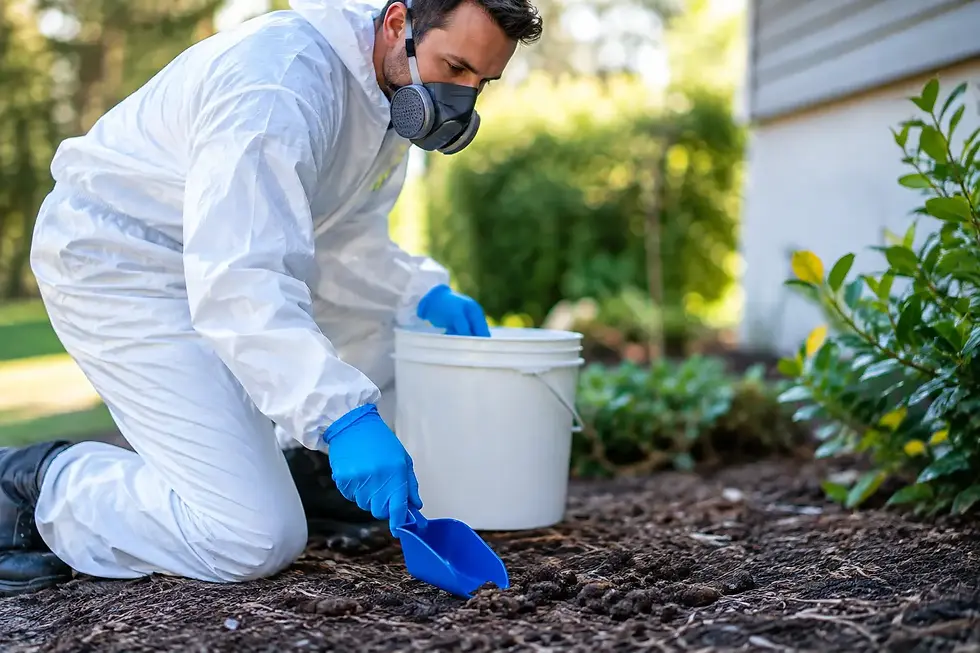
There is also a health and sanitation side to the problem. Waste, nesting material, and carcasses can introduce contamination into living and working spaces. Property owners should avoid handling unknown droppings, nesting areas, or trapped animals without proper protective measures. The goal is not only to remove an animal, but to restore the affected area so occupants can feel secure again.
Why Quick Patching Can Make the Problem Worse
It is understandable to want to cover an opening immediately. However, sealing an active entry point before confirming that all animals have exited can trap an animal inside. That can lead to more destruction as it searches for another way out, and it may create an odor issue if it cannot escape.
Timing matters, too. Young animals may be present during certain seasons, and some species require a more specialized approach. A qualified wildlife professional evaluates activity, identifies the target animal, and develops an exclusion plan that accounts for the property and the animals' behavior.
Temporary materials can also fail under Florida weather conditions or determined animal activity. Proper exclusion uses durable methods suited to the entry point, whether that means securing roofline vulnerabilities, reinforcing vents, closing construction gaps, or addressing access beneath a structure. The right repair should prevent re-entry without creating a new problem for the building.
A Complete Response to Wildlife Damage
A lasting solution starts with a detailed inspection. The inspector should assess likely entry points, signs of active animals, damage areas, and conditions that may be encouraging activity around the property. This creates a clear plan rather than relying on a one-size-fits-all trap placement.
Next comes target-animal removal. The method should match the species, location, and conditions on site. This is followed by exclusion work, which is the step that protects the investment in removal. If the structure remains open, another animal can move in after the first one is gone.
Damage repair and cleanup are equally important. Depending on the findings, the work may involve removing contaminated material, addressing damaged insulation, sealing openings, repairing soffits or vents, and removing carcasses from inaccessible areas. For business owners and property managers, clear documentation and animal clearance certificates can also help demonstrate that an issue has been professionally addressed.
American Wildlife Agents approaches wildlife concerns as property protection, not a per-animal transaction. Certified agents focus on finding the cause, resolving active activity, and helping prevent the next intrusion. Quality assurance inspections and guaranteed workmanship give homeowners and commercial property operators greater confidence that the job has been handled completely.
Prevention Around Homes and Commercial Properties
Prevention works best when it combines building maintenance with thoughtful exterior conditions. Keep rooflines, soffits, vents, and utility penetrations in good repair. Trim tree limbs away from roofs where practical, and avoid allowing dense vegetation to press against structures. Store materials and equipment so they do not create protected hiding areas near the building.
After storms, inspect the exterior for lifted materials, fallen branches, loose screens, and new gaps. Central Florida's weather can expose weaknesses quickly, particularly around older rooflines and exterior vents. A small repair completed early is usually far less disruptive than restoring an attic after months of activity.
For multifamily and commercial sites, regular inspections are especially valuable because activity may begin in areas that tenants, employees, or visitors rarely see. Rooftops, service corridors, dumpster enclosures, utility areas, and storage sections should be included in a routine property review.
If you hear movement overhead, notice a new opening, or smell an unexplained odor, do not wait for the visible damage to grow. A timely professional inspection gives you answers, protects the structure, and helps restore the peace of mind every property owner deserves.


Comments