
7 Best Attic Animal Deterrents That Work
Hello from CritterJimm, Certified Wildlife Agent at American Wildlife Agents. If you are hearing movement overhead, spotting droppings near a vent, or noticing a new stain on the ceiling, you are probably searching for the best attic animal deterrents fast. The honest answer is that the most effective deterrent is rarely a spray, sound device, or bright light. It is a complete plan that gets the current animal out, closes the route it used, and corrects the conditions that made your attic attractive in the first place.
An attic offers shelter from Florida heat, rain, and predators. Once a squirrel, rat, raccoon, opossum, or bat finds a loose soffit, damaged vent, roof gap, or unprotected utility opening, it may return repeatedly. A deterrent only works when it addresses that access point without trapping an animal inside.
What Makes the Best Attic Animal Deterrents Effective?
The best attic animal deterrents are physical, target-specific, and installed after a careful inspection. They do not depend on an animal being startled for a few minutes. They make re-entry impossible while preserving the airflow and function of your home.
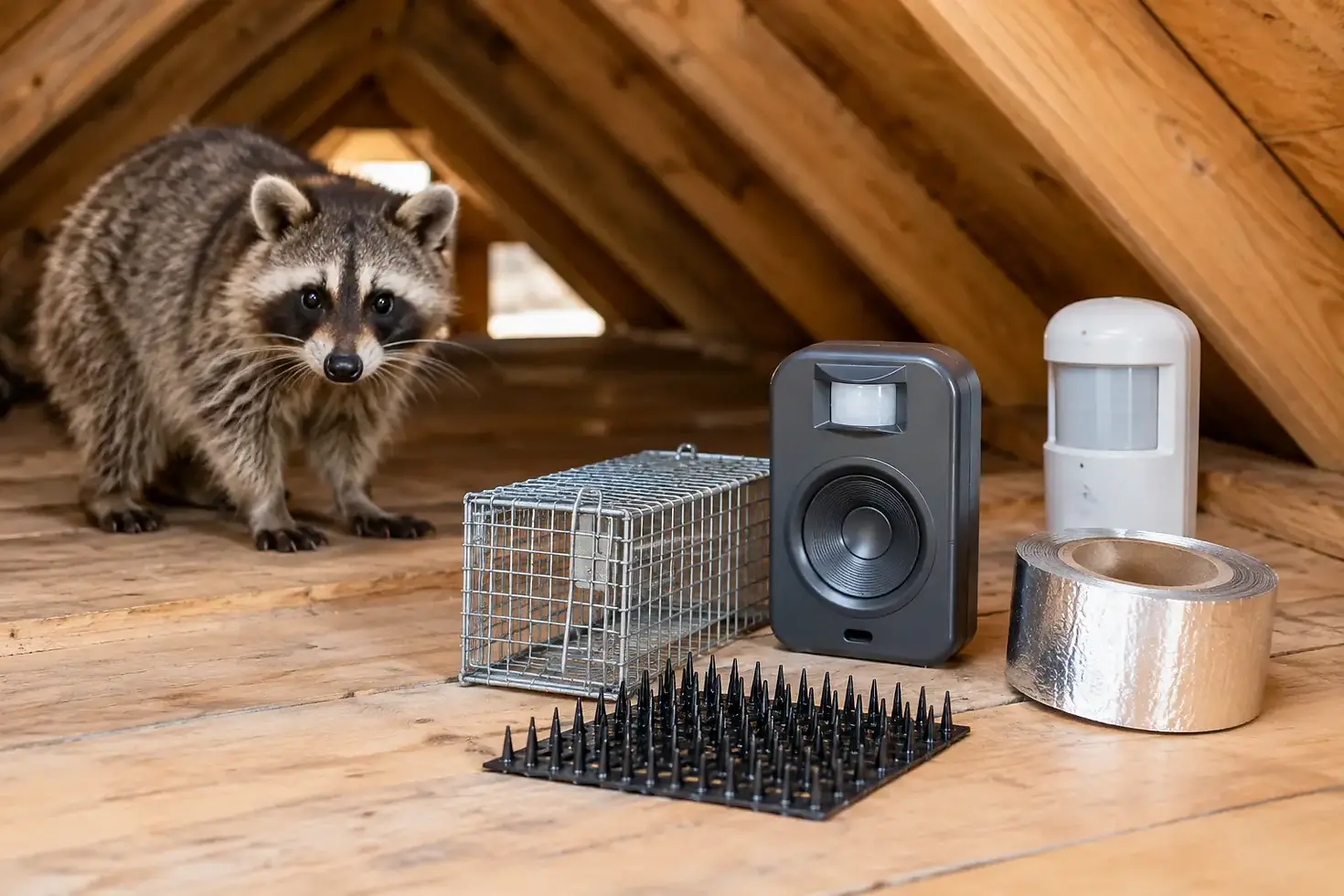
This distinction matters. Store-bought odor products may fade quickly in Central Florida humidity. Ultrasonic devices can be inconsistent because sound is blocked by insulation, framing, and stored items. Motion lights may change behavior around an opening, but they cannot close it. These products can occasionally provide a short-term nuisance, but they should not be your primary line of defense when wildlife is already using the attic.
1. A Full Exterior and Attic Inspection
A good deterrent plan starts with finding every possible entry point, not just the hole you happened to notice. Wildlife can enter through lifted roof edges, gaps at fascia boards, attic vents, roof returns, construction gaps, and openings around pipes or cables. Smaller animals may use spaces that look too narrow to matter.
Inside the attic, an inspection identifies travel paths, nesting material, droppings, damaged insulation, gnawed wiring, and odor sources. Outside, the inspection should look for rub marks, displaced materials, tracks, and weak spots that could become the next entry point. This is why a quick patch over one hole often fails. The animal simply finds the second opening that was missed.
2. Target-Specific One-Way Exit Devices
When an animal is still inside, sealing every opening immediately can create a larger problem. The animal may become trapped in the attic, damage more materials while trying to escape, or find its way into wall cavities and living spaces.
A properly selected one-way exit device allows the animal to leave but prevents it from getting back in. The device must match the species, the entry route, and the animal's behavior. Timing also matters, especially when young may be present or when wildlife protections apply. This is work that calls for trained judgment, not a one-size-fits-all hardware solution.
After activity has stopped and the attic is clear, the opening can be permanently secured. That sequence protects your property while treating urban wildlife responsibly.
3. Durable Exclusion at Entry Points
Physical exclusion is the backbone of long-term attic protection. Depending on the structure, this may involve professionally fitted vent guards, reinforced soffit areas, secured roofline gaps, chimney protection, or repairs to damaged fascia and trim.
The material matters as much as the installation. Thin screening can be bent, pulled loose, or deteriorate under weather exposure. A good exclusion repair is secured to the surrounding structure, sized for the opening, and designed so water drainage and attic ventilation are not compromised.
For commercial properties and multifamily buildings, this work may need to address multiple roof sections, service penetrations, and shared utility areas. The goal remains the same: eliminate access without creating a new maintenance issue.
4. Protected Vents and Openings
Attic, roof, and gable vents are necessary for a healthy building, but they can also become easy entry points when damaged or left unprotected. Wildlife guards should allow proper airflow while preventing animals from pushing through, chewing around, or pulling apart the cover.
Do not block a vent with foam, plastic, or improvised materials that restrict ventilation. Florida attics already endure extreme heat and moisture. A blocked vent can contribute to moisture problems and reduce the effectiveness of your insulation. Professionally installed protective covers are a far better deterrent because they protect both the building and its ventilation system.
5. Roofline and Vegetation Management
A clear route to the roof makes access easier. Tree limbs that touch or hang close to a roof can provide a direct path to vulnerable soffits, vents, and roof intersections. Dense vegetation against the structure can also conceal travel routes and make early signs of activity harder to see.
Trimming back branches and keeping the roofline visible can reduce opportunities for repeat entry. This step is helpful, but it is not a substitute for exclusion. An animal that already has an open vent or fascia gap does not need a branch to return. Think of vegetation management as reducing access pressure, while repairs provide the actual barrier.
6. Cleanup That Removes Scent and Nesting Cues
An attic that has been used by wildlife can continue to signal shelter long after the animal has left. Urine, droppings, nesting material, and contaminated insulation may attract return activity or encourage another animal to investigate the same area.
Safe cleanup is part of deterrence. It can involve removing contaminated materials, treating affected surfaces, and addressing odors that linger in insulation or framing. Cleanup also gives the property owner a clearer view of any remaining damage, including chewed wiring, torn ductwork, or moisture-stained areas that need repair.
This is not merely a cosmetic step. Contamination can affect indoor air quality and create sanitation concerns, particularly when attic air moves through gaps around ducts, recessed fixtures, or wall penetrations.
7. Follow-Up Monitoring and Guaranteed Workmanship
The strongest deterrent system includes confirmation that it is working. A follow-up inspection can verify that exit devices were successful, repairs remain secure, and no secondary entry point was overlooked. This is particularly valuable after heavy rain, roof work, or seasonal changes that expose weak materials.
Be cautious of services that only set traps and leave. Trapping may address the immediate animal, but it does not close the invitation. A complete wildlife solution connects inspection, removal, exclusion, cleanup, and repairs so the property is defended after the active problem is resolved.
Deterrents That Usually Fall Short
Repellent sprays, scent sachets, bright lights, loud noises, and ultrasonic devices are often marketed as easy answers. Their appeal is understandable: they are inexpensive and promise a quick fix. The trade-off is reliability.
Animals may tolerate an unpleasant odor when the attic offers safety or nesting space. They can also become accustomed to lights or sound, especially when those devices do not remove access. If you use a temporary product while waiting for professional help, treat it as a short-lived supplement, not a solution. Avoid placing materials in an attic that could create fumes, fire concerns, or damage to insulation.
When to Act on Attic Wildlife Activity
Do not wait for the noise to become constant. Scratching after dark, scurrying at dawn, repeated sounds in the same area, droppings near access points, a strong odor, torn vent material, or visible roofline damage all warrant an inspection. Prompt action can limit insulation damage, contamination, and expensive repairs.
For Orlando-area homes and commercial properties, American Wildlife Agents approaches attic issues as a property-protection project, not a trap-and-remove visit. Certified agents evaluate the animal activity, remove it appropriately, secure entry points, and help restore peace of mind with workmanship built to last.
Your attic should protect the people and property below it, not become a shelter that wildlife can revisit. A careful inspection now can turn a recurring worry into a secured, clean, and well-defended space.


Comments