
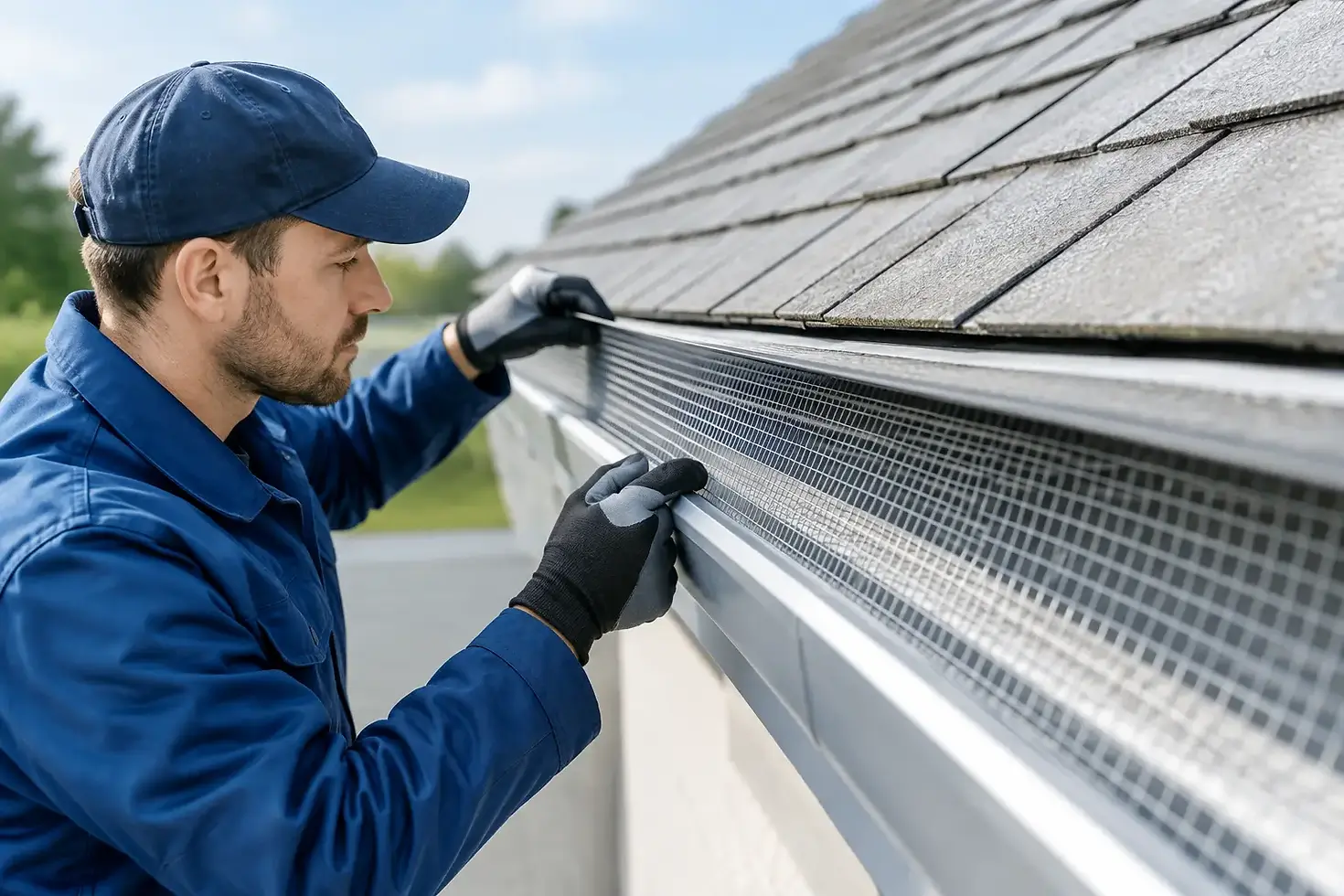
Best Commercial Animal Exclusion Solutions
Welcome from CritterJimm, Certified Wildlife Agent at American Wildlife Agents. A raccoon in a dumpster enclosure, bats above a drop ceiling, or rats moving through a loading-area wall can turn into a business interruption faster than most property owners expect. The best commercial animal exclusion solutions do more than remove the animal you can see. They identify how wildlife entered, correct the condition that invited it in, and protect the building against the next attempt.
For commercial properties, exclusion is not a cosmetic repair. It is a property-protection strategy. A small opening around a utility penetration, a damaged roof vent, or a gap under a service door can lead to contamination, noise complaints, damaged insulation, electrical concerns, and disruption for tenants, staff, or customers. The right solution is tailored to the species, the structure, and how the facility operates every day.
What Makes Commercial Animal Exclusion Different?
Commercial buildings have more access points than most people realize. Warehouses, retail centers, offices, restaurants, medical facilities, storage properties, schools, and multifamily communities often have rooftop equipment, loading docks, shared utility chases, vents, crawl spaces, trash areas, and multiple rooflines. Wildlife does not need an obvious hole in a wall. It looks for the overlooked transition between materials and the openings that appear as a building settles or a repair ages.
There is also more at stake than a single room. A wildlife issue at a commercial property can affect sanitation expectations, tenant confidence, employee comfort, inventory areas, and daily operations. Property managers need clear findings, practical recommendations, and work that holds up after the removal phase is complete.
That is why trapping alone is rarely a complete answer. If the entry point remains open, another animal may use it. If animals are still inside when an opening is sealed, the problem can shift into walls, ceilings, or inaccessible spaces. Professional exclusion starts with a detailed inspection and a plan for safe removal before permanent sealing begins.
The Best Commercial Animal Exclusion Solutions Start With Inspection
A thorough inspection is the foundation of an effective program. Certified wildlife agents assess the exterior from the ground up, including roof edges, vents, wall transitions, soffits, access doors, drainage paths, utility openings, and areas near food or waste handling. Inside, they look for activity indicators in ceilings, mechanical rooms, storage areas, attic spaces, and other concealed voids.
The goal is not merely to find a hole. It is to determine which openings are active, which ones are vulnerable, what animal is involved, and whether young may be present. A squirrel problem requires a different strategy than bat activity, and a raccoon entry point is not repaired the same way as a rat pathway. Correct identification prevents the common mistake of applying a one-size-fits-all repair to a species-specific problem.
For Central Florida commercial properties, inspections also need to account for heavy rain, heat, storm exposure, and dense urban wildlife activity. Materials that look adequate in dry weather may fail after repeated moisture, wind, or roof movement. Exclusion recommendations should match the condition of the building, not just the immediate opening.
Removal Must Come Before Final Sealing
When animals are actively using a building, the first priority is to remove them safely and legally. Depending on the animal and site conditions, that may involve target-specific trapping, one-way exclusion devices, or timed monitoring. The method should protect the property while avoiding unnecessary harm to displaced wildlife.
Timing matters. Sealing an active access point without confirming that animals have exited can create a more serious issue indoors. It can also leave young animals separated from their mother, which requires careful assessment and a responsible response. A trained agent considers behavior, season, building layout, and the type of intrusion before deciding how to proceed.
Commercial clients also benefit from a documented process. Clear communication about where activity was found, what work is planned, and when areas may need temporary access helps managers coordinate with tenants, maintenance teams, and operations staff. The work should solve the problem without creating unnecessary disruption.
Materials and Repairs That Protect the Structure
The best commercial animal exclusion solutions rely on durable repairs, not temporary patches. Animals can exploit weak screens, loose flashing, deteriorated wood, unprotected vents, and gaps around pipes or conduit. Effective exclusion uses appropriate materials for the location and the pressure the area will receive.
Common commercial exclusion work may include securing roof and vent openings, reinforcing vulnerable soffit and fascia areas, sealing wall penetrations, repairing damaged access points, and protecting crawl-space or foundation openings. The exact repair depends on the structure. A repair that works on a single-story office may not be sufficient for a warehouse with elevated dock doors and rooftop mechanical systems.
Appearance matters, too. Commercial repairs should be clean, functional, and compatible with the building where possible. The objective is not to make a property look heavily fortified. It is to close access points in a way that preserves the building's condition while reducing future wildlife pressure.
Address Conditions That Keep Drawing Wildlife Back
Exclusion is strongest when it is paired with practical site management. Wildlife often returns to properties that offer reliable shelter, water, or food access. You do not have to redesign the entire facility, but a few operational adjustments can reduce recurring activity.
Trash and recycling areas should be kept orderly, lids should close properly, and damaged enclosures should be repaired. Exterior clutter, unmaintained vegetation against walls, and standing water near structures can make a property easier to investigate and access. Dock and service-door procedures also matter. A door left open during quiet periods can give animals the opportunity to move farther into the building.
These conditions are not a substitute for physical exclusion. They are a supporting layer. A well-sealed property with poor waste-area management may still experience repeated pressure around the exterior. Likewise, a clean site with an open roof vent still has a direct path inside. Long-term prevention requires both building defense and sensible maintenance.
Choose a Provider for the Complete Scope of Work
Commercial property owners should look beyond a quick removal quote. Ask whether the provider performs a full inspection, identifies all likely entry points, handles removal and exclusion in the right order, and can repair wildlife-related damage. It also helps to ask how workmanship is verified after the job is complete.
The lowest initial price is not always the lowest total cost. A limited service that removes one animal but leaves access points untreated can lead to repeat calls, further damage, and interruptions later. A complete solution may include removal, sealing, repair recommendations, sanitation-related guidance, and follow-up inspection to confirm the work is performing as intended.
At American Wildlife Agents, our approach is built around that full-solution standard. Certified agents focus on the active wildlife issue and the vulnerabilities that allowed it to happen, so commercial clients are not left managing the same problem again a few weeks later.
When to Act Quickly
Some commercial situations should be addressed without delay. Activity near electrical wiring, air-handling systems, food storage areas, occupied ceilings, or customer-facing spaces can escalate quickly. Strong odors, visible droppings, recurring sounds in walls, damaged vents, or animals entering through a known opening are all reasons to arrange a professional inspection.
Waiting for activity to become constant often increases repair needs. Early action gives an exclusion team more options and can limit the amount of damage before it spreads into areas that are harder to access.
Fear no more when wildlife tests the weak points in your building. A careful inspection, species-appropriate removal, and durable exclusion work can return the property to the safe, orderly condition your staff, tenants, and customers expect.


Comments