
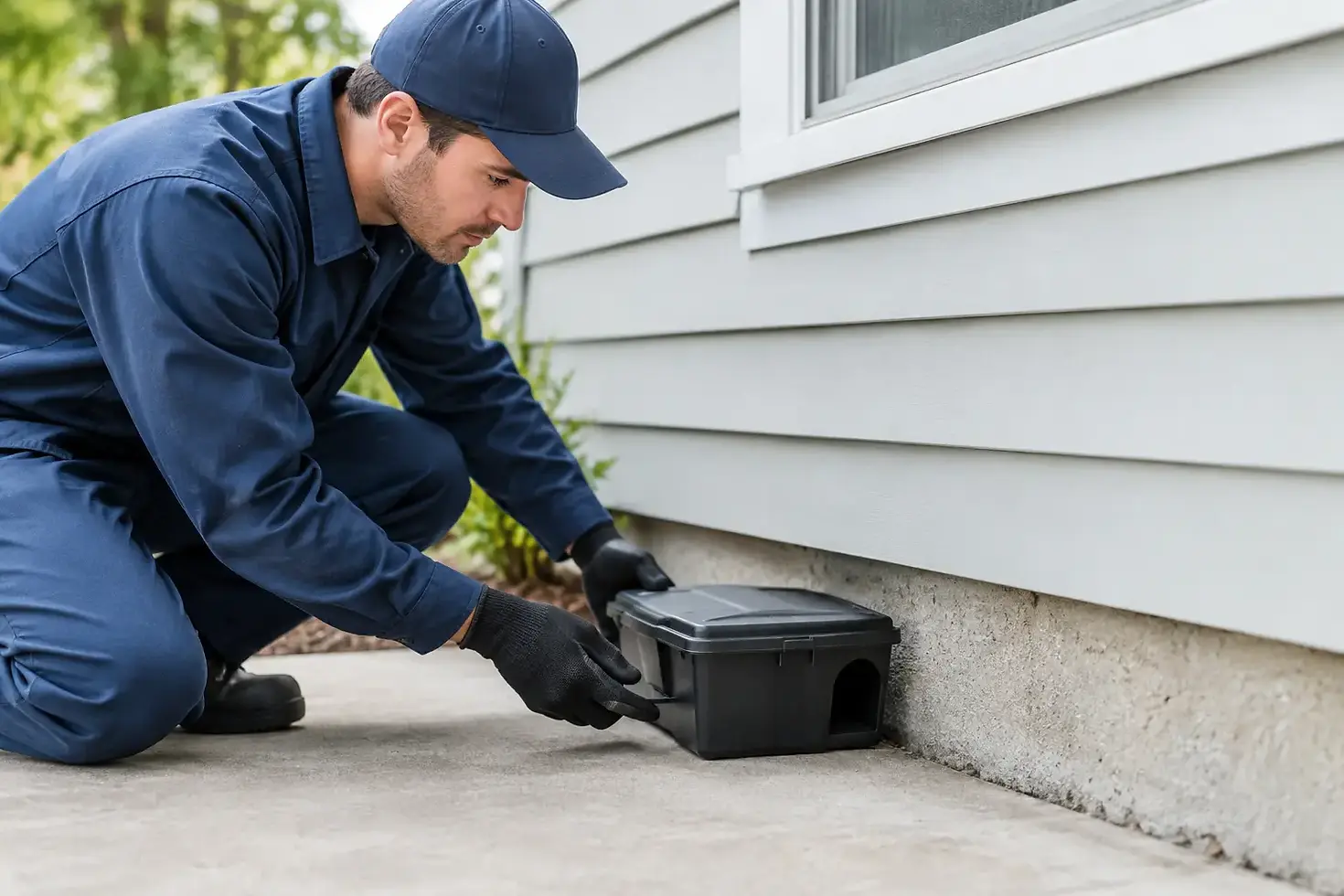
Rat Removal That Protects Your Home Long Term
Welcome from CritterJimm, Certified Wildlife Agent at American Wildlife Agents. Hearing movement above a ceiling at night, finding small droppings in a pantry, or noticing a new gap near a utility line can turn a comfortable property into a source of real concern. Effective rat removal is not simply about taking an animal out of a building. It is about locating how it got in, addressing the conditions that allowed it to stay, and protecting the property from the damage left behind.
For Orlando and Central Florida property owners, this is especially relevant. Warm weather, heavy rain, dense landscaping, and year-round access to food and shelter can push rodents toward attics, wall voids, garages, storage areas, and commercial spaces. A complete response brings relief now while reducing the chance of another intrusion later.
Why Rat Activity Should Be Handled Quickly
A rat does not need a large opening to get indoors. Gaps around pipes, loose roofline materials, damaged vents, openings at garage corners, and unsealed construction joints can all create access. Once inside, rodents often choose hidden areas where activity can continue unnoticed for weeks.
The concern goes beyond the animal itself. Chewed wiring can create an electrical hazard. Damaged insulation may reduce energy efficiency and hold contamination. Droppings and urine can affect storage areas, ceilings, and air pathways. In a business setting, visible activity or contamination can interrupt operations and raise sanitation concerns with tenants, staff, or customers.
Waiting can make a smaller issue more complicated. A single sound in the attic does not automatically mean extensive activity, but it does warrant a professional inspection. The sooner the access point and affected areas are identified, the more options there are for controlling damage and preventing a recurring problem.
What Professional Rat Removal Should Include
A trap alone may remove one active rodent, but it does not answer the most important question: why was the building accessible in the first place? Long-term rat removal should be a property-protection service, not a quick transaction measured by how many animals are caught.
Inspection Comes Before Assumptions
A thorough inspection looks for evidence of activity, likely travel routes, nesting areas, exterior access points, and vulnerable building features. In an attic, that may include disturbed insulation, staining, rub marks, droppings, and damaged materials around the roofline. Outside, the inspection may focus on foundation gaps, vents, soffits, eaves, utility penetrations, and areas where vegetation gives rodents easy access to the structure.
This step matters because similar noises can come from different nuisance animals. Correct identification helps ensure that the removal plan, trap placement, exclusion work, and cleanup recommendations match the actual issue rather than treating symptoms.
Targeted Removal Protects People and Property
Once activity is confirmed, certified wildlife agents can use a targeted strategy based on the layout of the property and the animal's behavior. Proper placement and regular monitoring are essential. Randomly placing traps in an attic or storage room can be ineffective, and handling wildlife without the right process can expose a property owner to unnecessary risk.
Removal should also be paired with clear communication. Property owners deserve to know what was found, what work is recommended, and what conditions may increase the possibility of future activity. A professional should provide practical next steps rather than leaving customers to guess whether the issue is truly resolved.
Exclusion Is the Step That Changes the Outcome
Exclusion means closing the pathways rodents use to enter the structure. This is often the difference between temporary relief and a lasting solution. Depending on the building, work may involve securing vulnerable vents, sealing gaps around utility penetrations, repairing compromised roofline sections, and reinforcing openings that are easy to overlook from the ground.
Timing matters. Sealing an entry point before active animals have been removed can create new problems inside the building. On the other hand, removing animals without completing exclusion leaves the same route open for the next one. The best approach coordinates removal and repairs in the right order.
Signs You May Need Rat Removal
Some evidence is obvious, while other signs are easy to dismiss until the issue has grown. Repeated scratching, scurrying, or gnawing sounds after dark deserve attention, particularly when they seem to come from an attic, walls, or ceiling. Droppings near stored materials, electrical equipment, or food-preparation areas are another common warning sign.
You may also notice chewed materials, unusual odors in enclosed spaces, oily marks along beams or walls, or damaged insulation. Outdoors, a new opening near the roofline or foundation may point to an access route. Commercial property managers should also pay attention to loading areas, dumpsters, utility rooms, and spaces above suspended ceilings, where activity can be hidden from day-to-day view.
Not every sign tells the full story on its own. That is why an inspection is valuable. It separates old evidence from active use and helps determine whether removal, exclusion, repair, or sanitation work is needed.
Property Conditions That Can Invite Rodents
Rodents are looking for three things: access, shelter, and a reliable food source. A property can be clean and still be vulnerable if its exterior has open gaps or damaged building materials. In Central Florida, storm wear and humidity can gradually affect vents, soffits, roof edges, and sealants without drawing immediate attention.
Landscaping can also play a role when branches or dense growth create a convenient route toward the roof. Stored materials near exterior walls may provide concealment, while unsecured waste areas can make a property more attractive. These conditions do not mean an owner has done something wrong. They simply identify practical areas to improve as part of a prevention plan.
For older homes, multifamily properties, and commercial buildings, the solution may require more detailed work because there are more penetrations, roof transitions, and service areas to inspect. A quality plan should be tailored to the structure rather than relying on a one-size-fits-all treatment.
Cleanup and Damage Repair Are Part of the Solution
Removing active rodents is only one stage of restoring peace of mind. Contaminated insulation, damaged materials, and droppings may need professional attention after activity is confirmed. The right scope depends on where the rodents traveled, how long they were present, and whether the affected area connects to living, work, or storage spaces.
Repair work can prevent future access while restoring the condition of the property. That may include closing entry points, repairing animal-related damage, and recommending insulation or sanitation services where appropriate. A complete service provider evaluates these needs together, so the property owner is not left coordinating separate steps after the removal work is finished.
When to Call a Professional
If you have seen active rodents, found fresh droppings, heard recurring noises, or noticed new exterior damage, it is time to schedule an inspection. This is particularly urgent when evidence appears near wiring, food storage, air-handling equipment, or occupied commercial areas.
Professional help is also worthwhile when prior trapping did not solve the problem. Repeated activity usually means an entry point was missed, another access route developed, or conditions around the property still support intrusion. A certified agent can evaluate the full picture and recommend a plan built around lasting prevention rather than repeated frustration.
At American Wildlife Agents, our goal is to help Central Florida property owners fear no more by addressing the animal, the access point, and the damage risk together. If something in your attic, walls, or business space does not seem right, acting early can protect your property and bring back the peace of mind you deserve.


Comments