
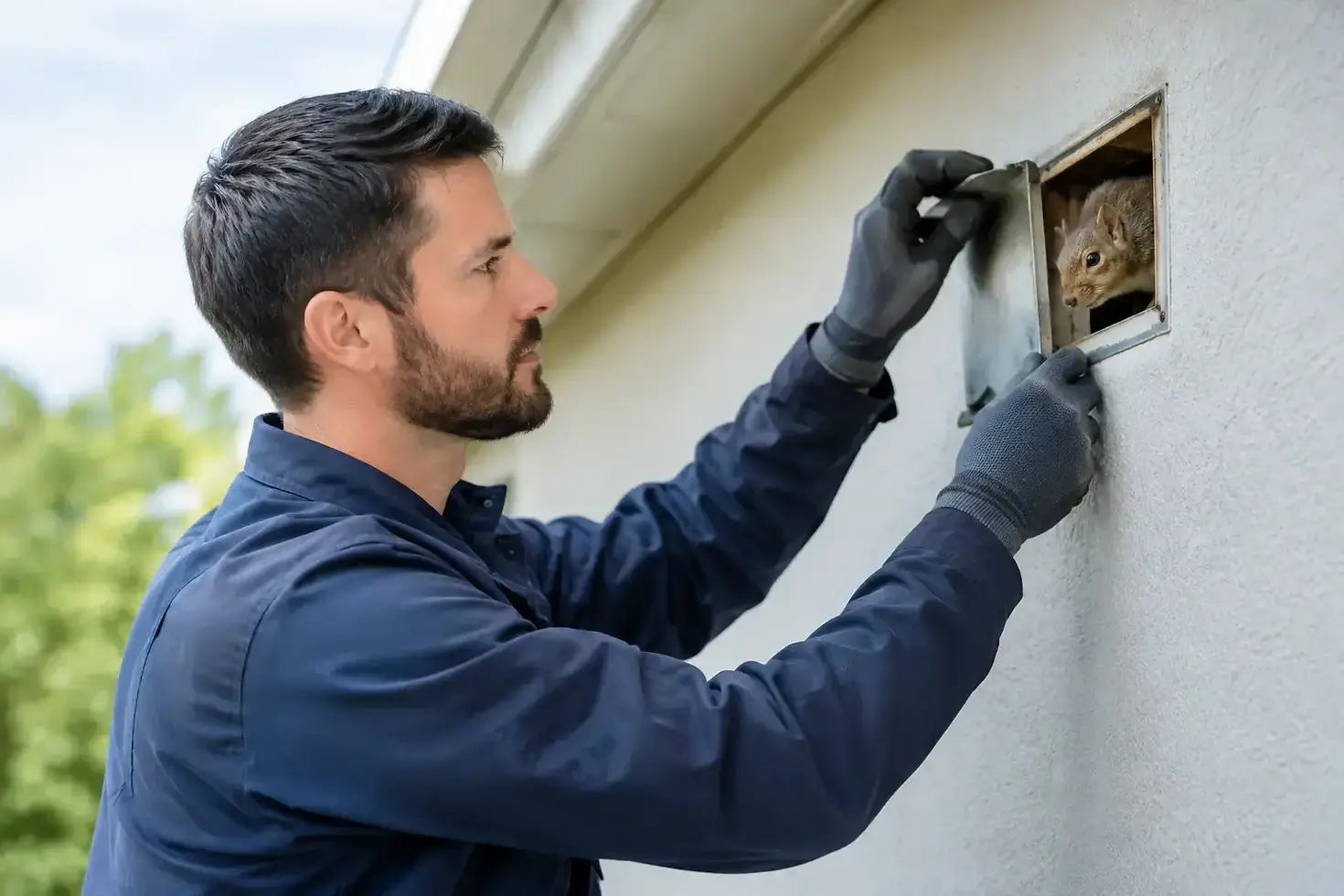
Your Guide to Removing Animals From Walls
Welcome, I’m CritterJimm, Certified Wildlife Agent at American Wildlife Agents. Hearing scratching, scurrying, chirping, or movement behind a wall can turn a quiet evening into a real concern. This guide to removing animals from walls explains what to do first, why trapping alone is rarely enough, and how to protect your Central Florida property without creating a bigger problem.
An animal in a wall is not always visible, but the consequences can be. Wildlife may tear insulation, contaminate hidden areas, chew wiring, leave odors after death, or find its way into another part of the structure. The goal is not simply to get the animal out today. It is to identify how it got in, remove it responsibly, repair the affected area, and prevent the next entry.
First, Confirm That Movement Is Actually Inside the Wall
The sounds you hear can offer useful clues. Fast scampering during daylight often points to squirrels or rats. Heavier movement at night may indicate raccoons or opossums. Fluttering, light chirping, or activity around sunset can be associated with bats. Snakes may be quiet, but property owners sometimes notice them after seeing shed skin or discovering an opening near the foundation, roofline, or utility penetration.
Timing matters, but it does not replace a professional inspection. Sounds can travel through framing, ducts, and ceilings, making an attic animal seem as if it is directly inside a wall. Before any removal plan begins, a certified wildlife agent should inspect the roof, eaves, soffits, vents, exterior gaps, attic, crawl space, and accessible wall areas. That inspection determines the target animal, likely travel route, number of animals involved, and the safest removal method.
Avoid cutting into drywall just because you hear movement. Opening the wrong location can release an animal into the living or working area, damage electrical components, or leave you with an unnecessary repair. It can also separate a mother from dependent young that may be hidden nearby.
Why Animals Get Into Walls
Walls are rarely the animal’s first destination. In most cases, wildlife enters through an exterior weakness and follows a void from the attic, soffit, crawl space, plumbing chase, or exterior wall cavity. A gap that looks minor to a property owner can be large enough for a determined animal to exploit.
Central Florida properties are especially vulnerable after storms, roof work, aging construction, or tree growth near the structure. Loose fascia, open roof returns, damaged vent covers, uncapped utility openings, and deteriorated soffits can all become access points. Raccoons may pull apart weakened materials. Squirrels and rats can enlarge vulnerable gaps. Bats can use surprisingly narrow openings around rooflines and vents.
This is why a one-time capture does not solve the underlying issue. If the entry point remains open, another animal can use the same route, sometimes that very night.
A Guide to Removing Animals From Walls Safely
The right approach depends on the species, the season, the animal’s location, and whether young are present. A complete plan typically starts with inspection and moves through removal, exclusion, cleanup, and repair.
Do not seal openings too early
It is tempting to close every visible hole immediately. That can trap wildlife inside the wall, attic, or crawl space. A trapped animal may cause more damage trying to escape, die in an inaccessible area, or enter the interior of the property.
A technician may seal secondary access points first while leaving the primary route managed with an appropriate exclusion device or targeted trapping strategy. Once the animal has exited or been removed, the final entry point can be sealed. This sequence is one of the most important differences between a lasting solution and a costly setback.
Use target-specific removal methods
Different animals require different strategies. Raccoons, for example, are strong and intelligent, so equipment placement and secure exclusion materials matter. Squirrels may need a carefully timed one-way exit strategy. Rats require a detailed inspection because their access points can be small and numerous. Bat work requires particular care to avoid trapping animals inside and to account for seasonal activity.
Professional removal is not about using one method for every situation. It is about selecting the method that fits the animal and property while following applicable requirements. A qualified agent can also recognize signs that young may be present and adjust the work so removal does not create a hidden wall issue.
Address dead animals promptly
If the sounds have stopped but an odor is developing, there may be a dead animal in the wall, attic, crawl space, or another inaccessible void. Odor can intensify quickly in Florida heat, and contamination may affect insulation and nearby building materials.
Dead animal removal may require locating the source through inspection, accessing the area with minimal necessary disruption, removing affected materials when needed, and restoring the opening afterward. Masking an odor does not remove the source. The issue should be addressed directly and the original access route should be sealed.
What Property Owners Can Do While Waiting for Help
Keep the situation calm and contained. Do not bang on the wall, spray chemicals into openings, place poison, or attempt to smoke wildlife out. These actions can drive an animal deeper into the structure, create contamination concerns, or result in an animal dying where it cannot be reached.
You can make a few useful observations from a safe distance. Note when the activity occurs, where you hear it most often, whether you have noticed exterior damage, and if there are odors or stains. If you see an animal entering or leaving, note the location without approaching it. These details can help the inspection begin more efficiently.
For commercial properties, notify the appropriate facilities contact and limit access to any affected storage, ceiling, or utility area until it can be evaluated. Wildlife concerns can affect sanitation, employee comfort, and building operations, so early documentation is worthwhile.
Exclusion and Repairs Are the Long-Term Fix
Once removal is complete, exclusion work protects the property from repeat intrusion. This can include securing roofline gaps, reinforcing soffits, repairing fascia, screening appropriate vents, sealing construction gaps, and addressing openings around utility penetrations. The best material and repair approach depends on the location, the animal involved, and how the building was constructed.
There is a trade-off here. A quick patch may cost less upfront, but it can fail under weather exposure or renewed wildlife pressure. Quality exclusion is designed for durability and should blend practical property protection with proper airflow and building function. Not every opening should be sealed in the same way, which is why an inspection-based recommendation matters.
Cleanup is equally important when animals have been living in or near a wall. Droppings, nesting materials, damaged insulation, and odor sources may require removal or treatment. If wiring, ductwork, or structural components were affected, the property owner may also need qualified repair work beyond wildlife exclusion.
When a Wall Animal Situation Is Urgent
Call for professional help promptly if you notice an animal inside an occupied room, strong and increasing odor, visible ceiling or wall staining, repeated scratching near electrical areas, or a large opening in the roofline or soffit. These conditions can signal damage that worsens with time.
Bats also deserve prompt professional assessment. Do not handle them or attempt to block an active opening without knowing whether animals are still inside. The right timing and method protect both the property and the animals while reducing the chance of a more complicated indoor encounter.
Choose a Complete Solution, Not a Temporary Removal
A wildlife company should be able to explain what animal is likely involved, where it entered, how it will be removed, what will be sealed, and whether cleanup or repair is recommended. Ask whether the scope includes a quality assurance inspection and whether workmanship is guaranteed. Clear answers help you compare true property protection with a service that only removes the visible animal.
At American Wildlife Agents, our focus is to reduce the fear and uncertainty that comes with wildlife in a home or business. A certified agent can assess the full situation and build a plan around safe removal, durable exclusion, and the condition of your property.
If you hear something in the wall tonight, resist the urge to close the nearest hole or solve it with a shortcut. A careful inspection and a complete exclusion plan give your property the best chance to be quiet, clean, and protected again.


Comments