
Certified Wildlife Agents Benefits for Your Property
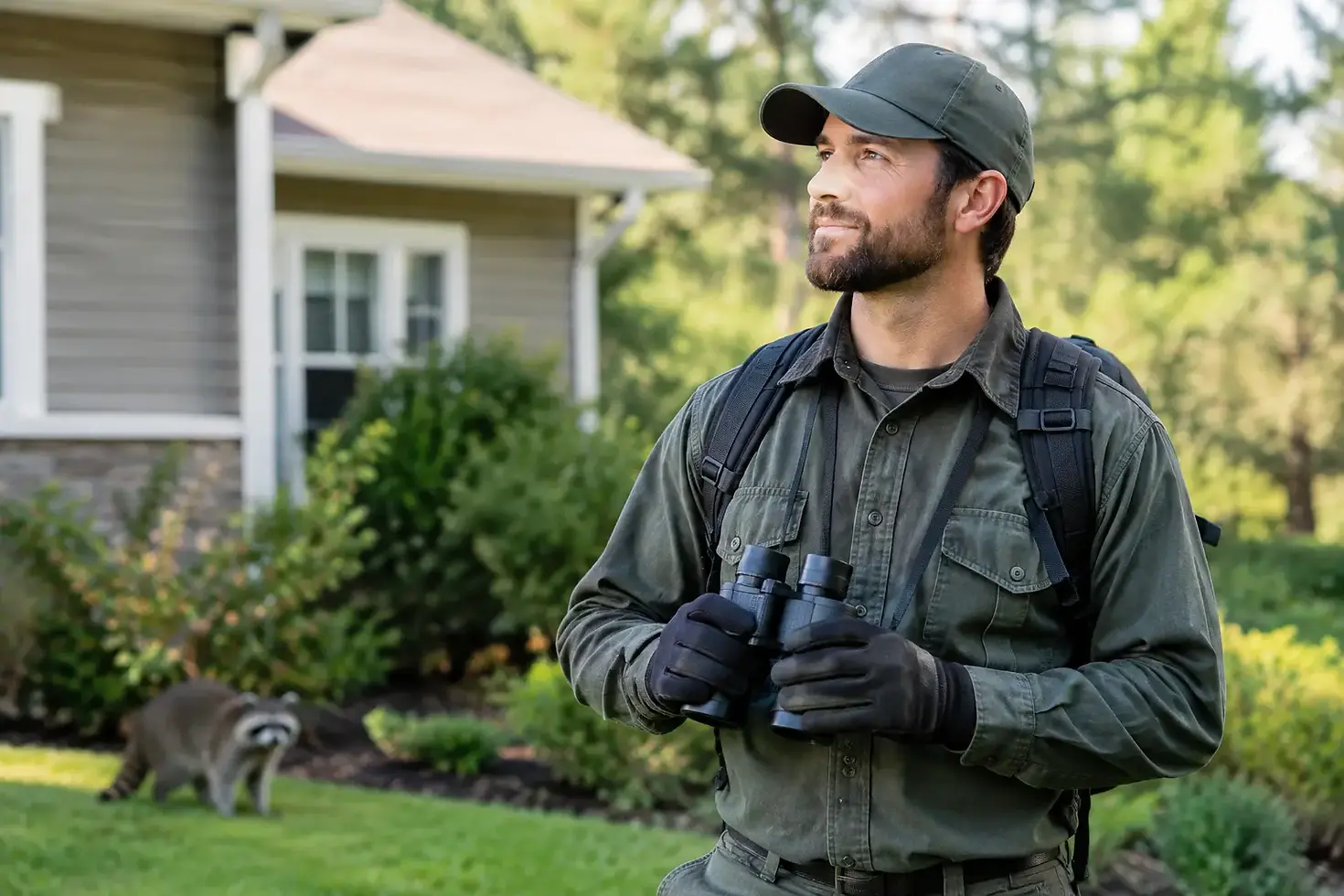
Welcome, Central Florida neighbors. I’m CritterJimm, a Certified Wildlife Agent with American Wildlife Agents. When scratching starts above a ceiling, a smell develops behind a wall, or an opening appears along the roofline, the certified wildlife agents benefits go far beyond getting an animal out of sight. The real value is finding out how it got in, what damage it caused, and what will stop the next intrusion.
A quick trap may create a brief sense of relief. Property protection requires a complete solution. For homeowners, managers, and facility operators, that difference can mean avoiding repeated cleanup costs, structural damage, and the worry of hearing activity return a few weeks later.
Why Certification Matters in Wildlife Work
Wildlife removal is not a one-size-fits-all service. A squirrel using a soffit, a raccoon entering an attic, bats occupying a structure, or rats moving through a utility gap each call for a different inspection process, removal strategy, and exclusion plan. Misidentifying the animal or sealing an entry point at the wrong time can make a problem worse.
Certified wildlife agents are trained to recognize the signs that tell the real story. Tracks, rub marks, droppings, nesting material, chewed areas, roofline damage, odors, and the location of sounds all help identify what is happening inside or around a property. That assessment prevents guesswork and gives the property owner a clear recommendation based on the conditions found.
Certification also supports a more responsible approach to wildlife. Central Florida’s growing neighborhoods and commercial areas overlap with the natural travel routes and shelter needs of many animals. A professional agent can protect the building while accounting for proper handling practices, applicable regulations, and the animal’s behavior. Humane awareness and firm property defense belong together.
Certified Wildlife Agents Benefits Start With Inspection
The most valuable part of a wildlife service often happens before any removal equipment is set. A detailed inspection looks beyond the obvious opening or the room where activity was first noticed. Wildlife can travel through attic spaces, wall voids, crawl areas, roof returns, vents, and gaps around utility lines.
A trained agent examines vulnerable areas such as roof intersections, soffits, fascia, attic vents, gable vents, chimney openings, foundation penetrations, and exterior access points. In commercial settings, the inspection may also include loading areas, storage spaces, rooftop equipment zones, and building transitions where small gaps can become access routes.
This matters because the entry point a property owner sees is not always the entry point the animal uses. There may be several weak areas, including openings that have not yet been discovered. If the service only addresses one visible hole, the animal may simply find another route back inside.
An inspection also helps determine whether the issue is active, old, or part of a larger pattern. A previous intrusion can leave contamination, damaged insulation, disturbed ductwork, or weakened building materials behind. Those conditions deserve attention even after the animal is no longer present.
Removal Is Only One Part of the Job
Trapping and removal can be necessary, especially when an animal is already inside a structure or causing immediate damage. But removal without exclusion is often temporary. If the access point remains open, another animal may use the same route soon after.
A certified wildlife agent focuses on the sequence of the work. First, identify the target animal and confirm activity. Next, use the right removal method for the situation. Then, once it is appropriate to do so, secure the openings that allowed access. This process reduces the chance of trapping an animal inside a building or creating a new problem while trying to solve the first one.
Timing matters. Some situations involve young animals that may not yet be mobile, while others involve animals that are active primarily after dark. A knowledgeable agent considers these details when planning the work. The goal is not simply to make the noise stop for a night. It is to resolve the intrusion in a way that protects the structure and avoids preventable complications.
Exclusion Protects the Property Long After Removal
Exclusion means making a structure less accessible to wildlife. It is one of the strongest long-term benefits of working with a certified agent because it addresses the reason the intrusion happened in the first place.
Quality exclusion work is more than placing material over a hole. It requires choosing durable materials, fitting them correctly, and securing them where animals cannot easily push, chew, or pull through. It also requires identifying adjoining weak points. A repaired vent may not solve the problem if nearby roofline gaps, loose soffit sections, or deteriorated trim remain vulnerable.
For a residence, exclusion helps preserve attic spaces, insulation, wiring areas, and the roof system. For a business, it can support cleaner operations, reduce disruptions, and help protect inventory or equipment areas. The best exclusion plan depends on the age and design of the building, the target animal, and the condition of existing materials.
There is a trade-off worth understanding: the least expensive short-term fix is not always the best value. A minimal repair may cost less today but leave other access points untouched. A more complete recommendation can cost more upfront, yet it is often the better choice when repeated entries, damage, and emergency service calls are considered.
Damage and Sanitation Need Professional Attention
Wildlife activity can affect more than the visible entry point. Nesting material, droppings, urine, food debris, and deceased animals can create odors and sanitation concerns. In enclosed areas, contamination may spread into insulation or adjacent building cavities. Some animals can also damage wood, ductwork, and electrical components through nesting or chewing activity.
Certified agents help property owners understand the scope of this damage instead of treating it as an afterthought. Depending on the conditions, the solution may include dead animal removal, cleanup recommendations, damaged-material repairs, sealing, or further evaluation of affected areas.
Not every situation requires extensive restoration. A small, recent intrusion may need limited repairs and targeted exclusion. A long-running attic issue may require more involved cleanup and repairs. The key is an honest inspection and a clear explanation of what is necessary, what is recommended, and why.
Clear Recommendations Reduce Stress for Property Owners
Wildlife concerns can feel urgent because they affect the place where people live or work. Property owners deserve direct answers: What animal is involved? Where is it getting in? Is there active activity now? What work will prevent a return? What damage should be addressed?
A certified wildlife agent should be able to explain the findings in plain language. You should not have to guess whether a service is focused on one captured animal or on protecting the entire structure. Clear recommendations make it easier to decide what level of repair and prevention fits the property’s needs.
This communication is especially valuable for property managers and commercial operators. They may need documentation, a defined scope of work, animal clearance information, and a practical plan that minimizes disruption. A professional approach helps them coordinate repairs and maintain a safer environment for occupants, staff, and visitors.
What to Look for When Choosing Wildlife Help
Before scheduling service, ask whether the provider performs a full inspection, identifies the target animal, offers exclusion and repair options, and explains how recurrence will be prevented. Ask how pricing works as well. Per-animal pricing can create uncertainty when the true issue is an open structure that allows repeated access.
Look for a company that stands behind its workmanship and conducts quality checks. Wildlife entry points are often high on a building or located in areas that are easy to overlook. Verification matters because a missed gap can undermine an otherwise successful removal effort.
Fast service is valuable when activity is active, but speed should not replace careful work. The strongest result comes from prompt response paired with a methodical inspection, proper removal, durable repairs, and prevention tailored to the property.
Fear no more when you hear activity overhead or find damage around your building. The right wildlife professional does more than remove the immediate problem - they help safeguard the place you have worked hard to protect.


Comments